01
Before the voyage
Plan the movement
Confirm product, parcel size, loading and discharge points, timing and the operating requirements each end of the route brings.
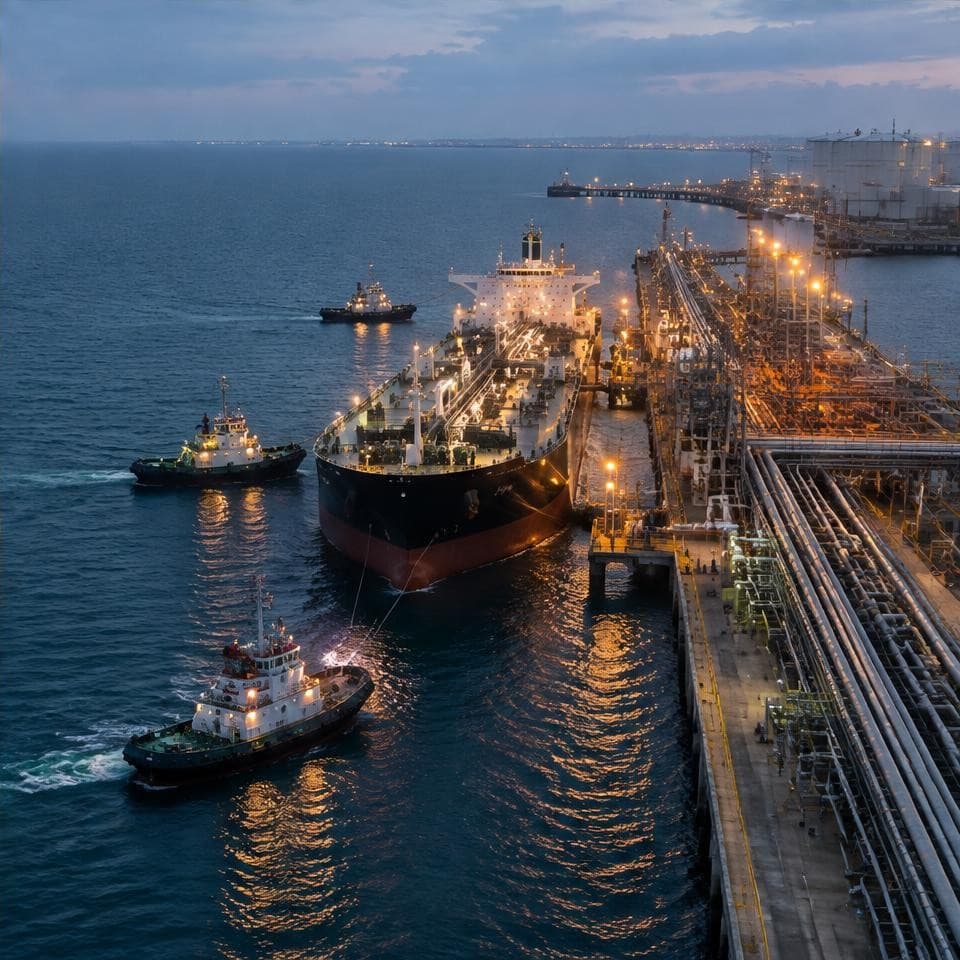
Marine operations
Every movement is planned around cargo requirements, vessel readiness, terminal windows and downstream demand.
Our operating approach
Marine transport depends on connected decisions on shore and at sea. We coordinate vessel deployment, cargo preparation, port and terminal requirements, and delivery planning as one operating sequence—so teams understand the next milestone and their part in it.
The voyage sequence
The exact sequence varies by cargo, vessel, port and terminal. These are the core stages VOTPI brings together for a marine movement.
Before the voyage
Confirm product, parcel size, loading and discharge points, timing and the operating requirements each end of the route brings.
Readiness
Review vessel suitability, cargo handling needs, documentation and readiness against the agreed movement plan.
At the terminal
Align the loading window with terminal requirements, cargo documentation and the teams responsible for the transfer.
Underway
Maintain clear voyage communications and keep the relevant parties aligned as the vessel proceeds to its destination.
Arrival planning
Coordinate arrival information, receiving-terminal readiness, port procedures and discharge arrangements ahead of arrival.
Delivery
Bring the movement to a clear close through discharge coordination, cargo records and communication with the receiving team.
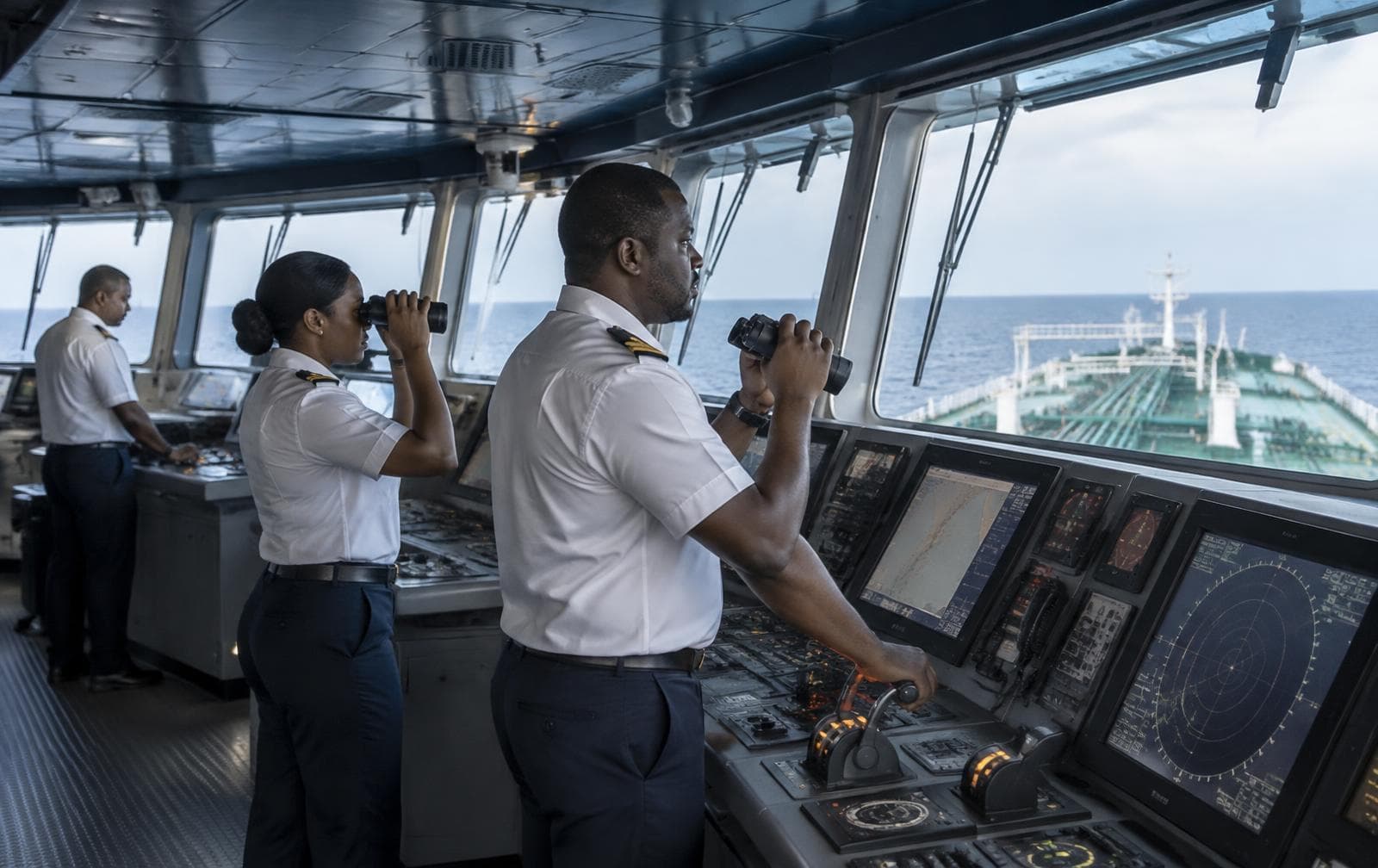
Planning meets execution
Coordination at every stage
A voyage involves more than the vessel. Loading facilities, port and jetty procedures, cargo records, receiving terminals and customer schedules all need to line up. Our operations approach keeps these touchpoints visible through planning and execution.
Cargo & vessel
Suitability and readiness
Terminal & port
Windows and local procedures
Documents
Cargo and compliance records
Customer
Milestones and updates
Operational readiness
Readiness begins before loading and carries through to the receiving facility. Clear responsibilities and early coordination help teams respond to changing operating conditions.
Product, quantity, handling considerations and the documentation expected for the movement.
Vessel suitability, operating readiness, destination needs and route considerations.
Loading and discharge windows, port procedures, receiving capacity and customer communication.
Built around the operating context
Product, vessel, terminal and route requirements shape the plan. We begin by understanding your movement and coordinating the right conversations.
Business enquiry
Discuss petroleum product transportation, vessel chartering or marine logistics support with our team.